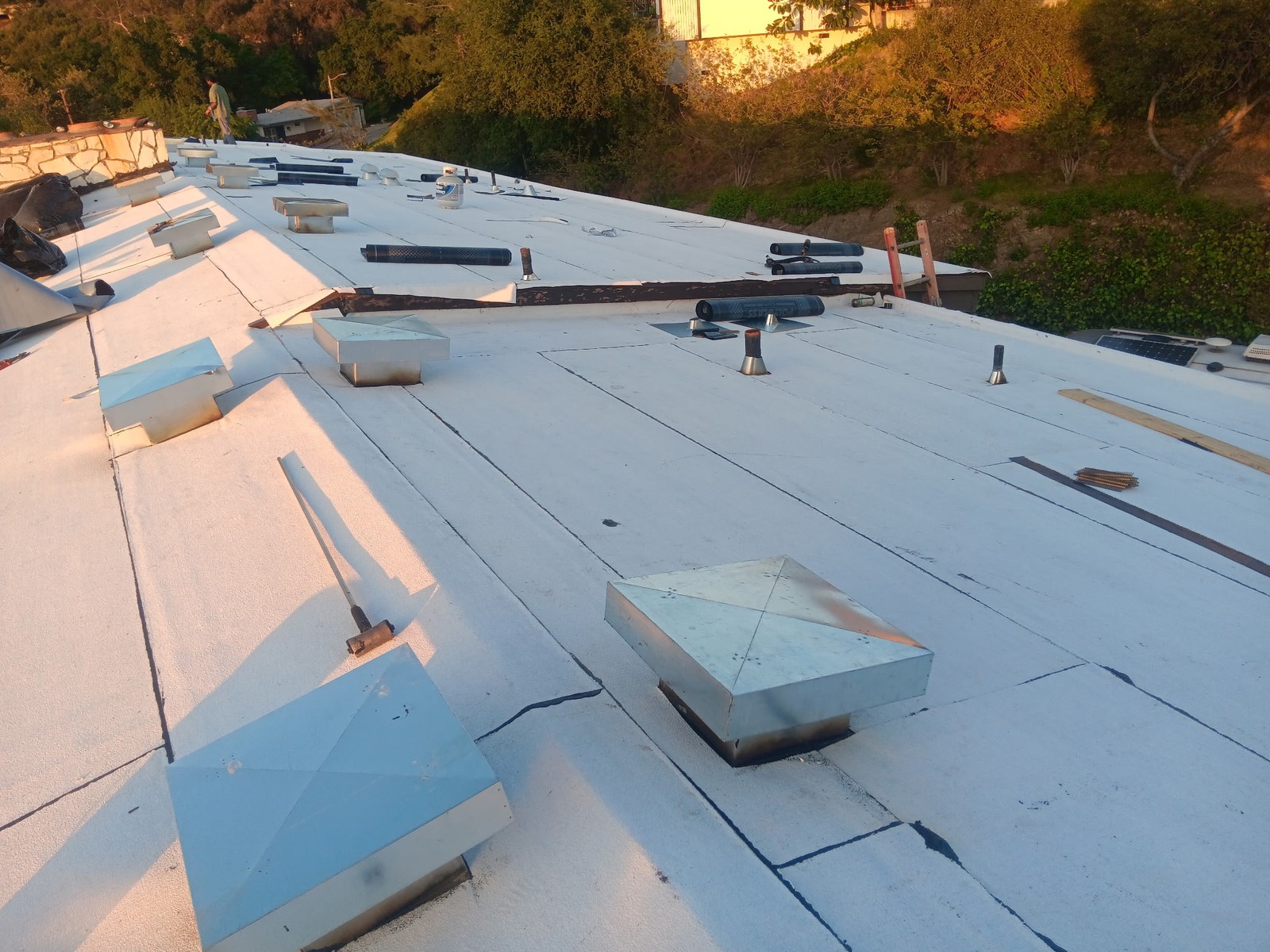
TPO roofing in Beverly Hills comes up most often on flat and low-slope buildings. The membrane is a single waterproof layer that covers the whole roof surface. We install it, though torch-down modified bitumen remains our usual low-slope choice.
Cost is usually the first question, and the honest answer starts with your roof rather than the product. Size, the number of stories, the slope and whatever the old roof hides all move the price. This page walks through where TPO fits, what sits under it, and how it gets repaired.
When TPO suits a building
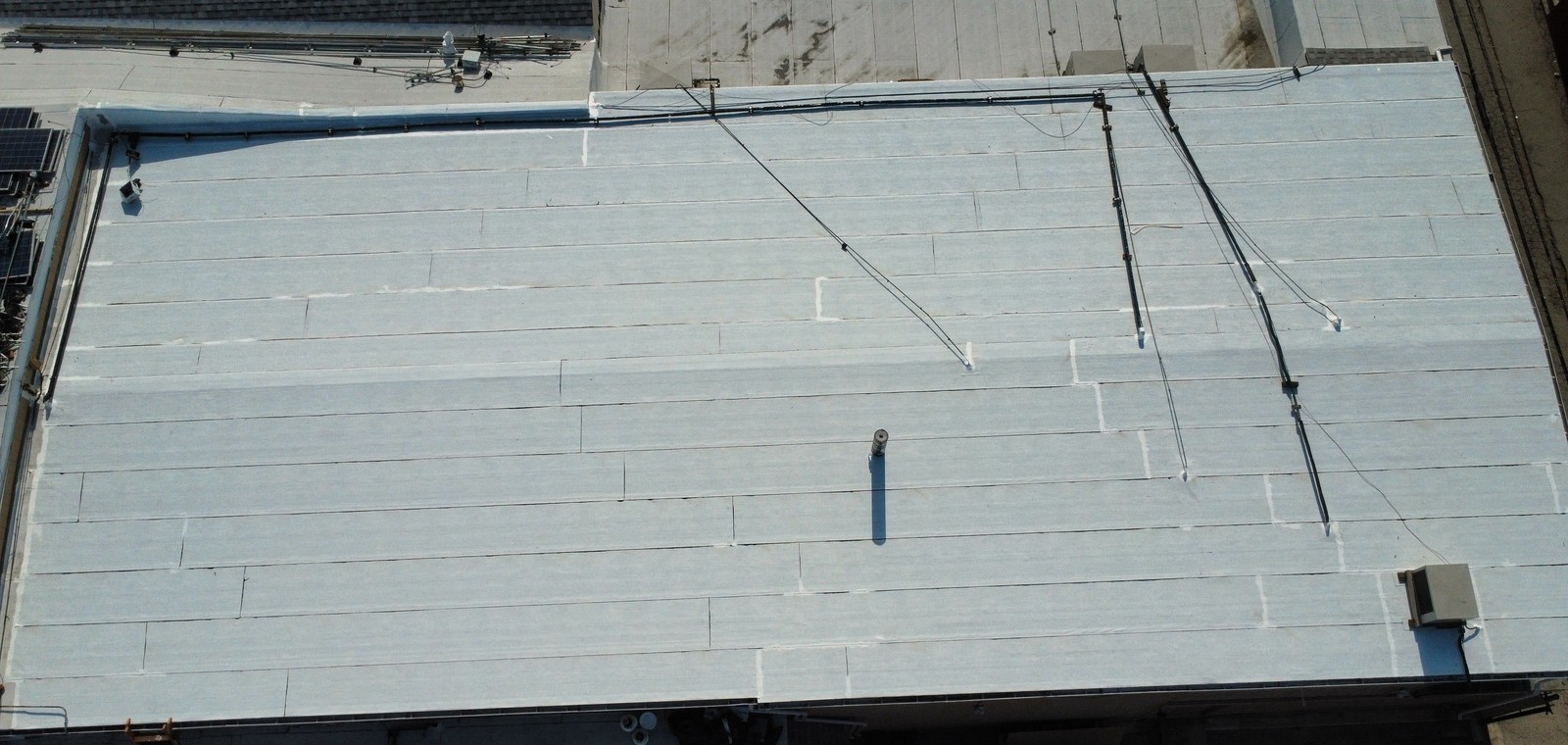
TPO belongs on a roof that is flat or close to it. Steeper roofs are shingle, tile or metal work, so the shape of your roof settles the question quickly.
Most people who ask for TPO by name look after commercial or multi-unit property. Homes qualify too, since flat sections over garages and additions face the same problems. We work on residential and commercial roofs alike.
We do install TPO, and we will also tell you it is not our first pick. It costs more than the torch-down systems we use most, and we see it less often. Neither point rules it out, and both belong in the conversation early.
Manufacturers publish their ranges, and GAF's TPO membrane overview sets out its commercial products and application notes. Reading it gives useful background, though your own roof still decides the answer.
What sits under a TPO membrane
The membrane gets the attention, but the layers underneath decide how the roof performs. Two of them shape every low-slope estimate we write.
Start with the decking
Decking is the layer of structural boards beneath any roof covering. Rotted decking is the most common change order in roofing, and no membrane can bridge a soft deck. So the deck comes first, before anyone picks a surface.
Insulation boards and the way the membrane is fastened both depend on that same deck. We settle those choices once we know what we are fastening to.
Tear-off, layers and measurements
Tear-off is the stage where we strip old layers back to bare decking instead of roofing over them. How many layers already sit up there changes both the price and the plan. We count them during the estimate and tell you what turns up.
A square is the standard unit for roof area, and it equals one hundred square feet. Our first measurements come from satellite imagery, which puts a realistic number in front of you quickly. That number can still shift once we are on the roof looking at the edges.
Seams, flashings and the details that leak
Leaks on a membrane roof usually start at an edge or an opening, not in the middle. Flashing, the metal that ties a roof into walls, chimneys and valleys, is a common leak source. Vents, drains and air-conditioning curbs break the surface too, so each one needs its own careful finish.
Seams deserve the same attention, because a membrane roof is built from sheets joined together. A seam that has lifted or split is worth finding early, while the fix is still small.
A free estimate answers the basic questions about condition and cost. A written roof inspection is a separate paid service, useful when escrow or an insurer wants the condition documented. Its fee varies with the roof, so we quote it before any work starts.
Repairing a TPO roof you already have
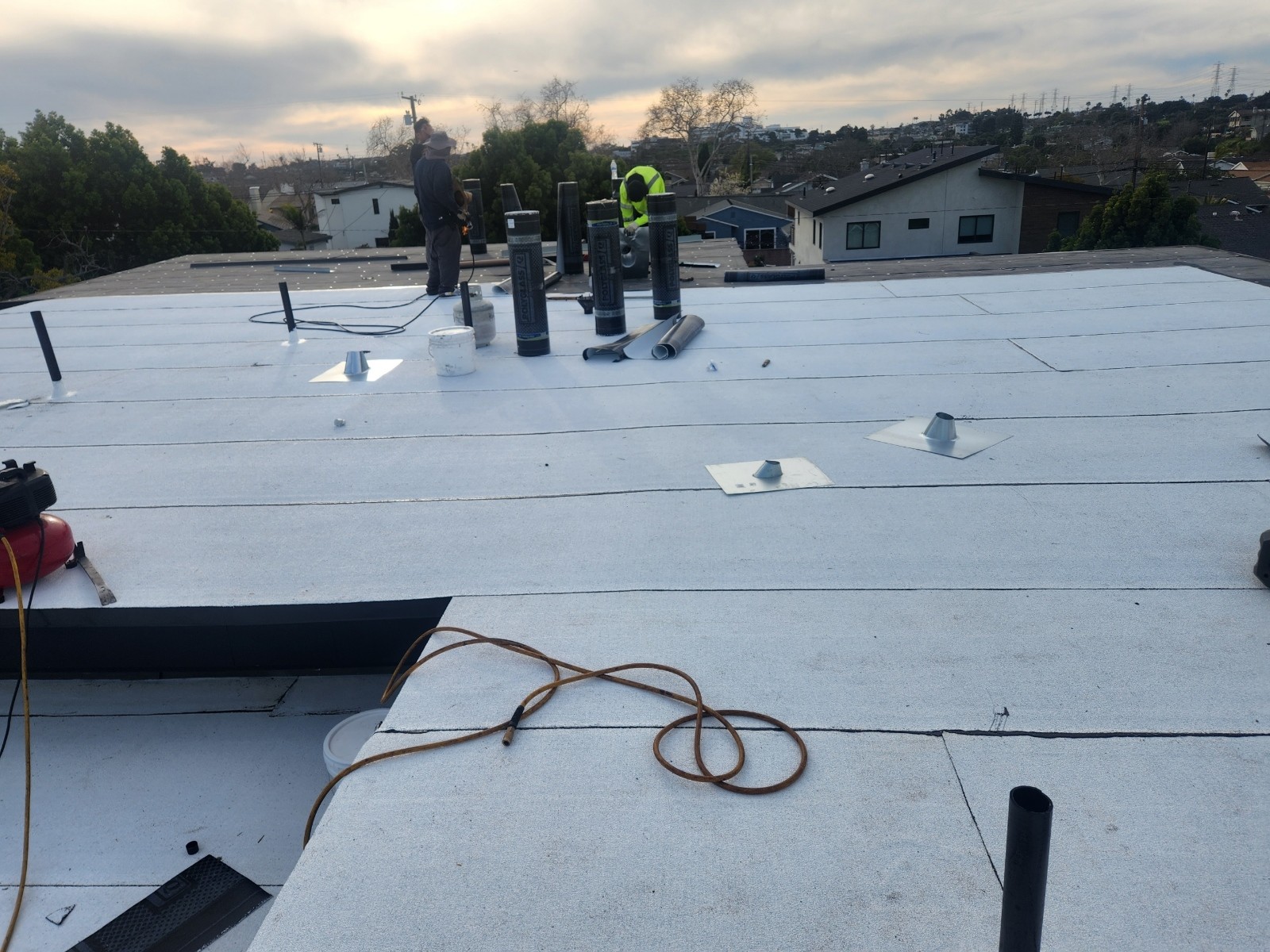
An existing TPO roof can often be repaired instead of replaced. We take small repairs as well as full replacements, so one problem area is reason enough to call.
Expect one plain warning from us. In our experience, TPO repairs run harder and cost more than repairs to a torch-down roof. That difference is worth knowing before you commit to the system.
Condition changes the answer as well. A membrane near the end of its service life may not hold another patch for long. When leaks appear in several places, we look at the whole roof instead of one spot.
Occupied buildings raise their own questions about access and scheduling, which our commercial roofing page covers in detail. The repair order stays the same either way: find the water, check the deck, fix the failed detail.
TPO next to other low-slope systems
Torch-down modified bitumen, a flame-applied system with a granulated top layer, is our default on low-slope roofs. TPO usually costs more, and in our view a good torch-down roof holds up at least as well. Which system we recommend depends on your roof, your budget and how long you will hold the building.
Our torch-down flat roofing page goes further into that system and the product behind it. Reading both makes the low-slope decision easier, because the options sit side by side.
Repair stays a legitimate answer too. If a sound roof needs one detail fixed, we will say so and price that work instead.
Booking a TPO assessment
Call (424) 532-7527 and describe the leak, the stain or the seam that worries you. The estimate is free and covers repair and replacement options for your flat or low-slope roof. When the job needs a permit, we help property owners pull it from the city or agency in charge.
Beverly Hills Roofing Contractors is a division of Home Vision Remodel. We work under CSLB #1112525 on residential and commercial roofs in Beverly Hills CA.
TPO questions we hear
Should I choose TPO or a torch-down roof?
Both work on a low-slope roof, so the choice comes down to cost, repairs and how you use the building. TPO costs more up front and is harder to repair later. We price both when either one suits the roof.
What affects how long a TPO roof lasts?
Detailing and upkeep decide more than the product label does. Seams, flashings and the openings through a roof are where a membrane usually fails first. A roof that gets checked after heavy rain tends to keep its small problems small.
Do you work on commercial and residential flat roofs?
Yes, both sit inside what we do. Homes with a flat section, multi-unit property and commercial buildings all get the same assessment. Estimates are free for all of them, so call (424) 532-7527.
Beverly Hills CA
(424) 532-7527