
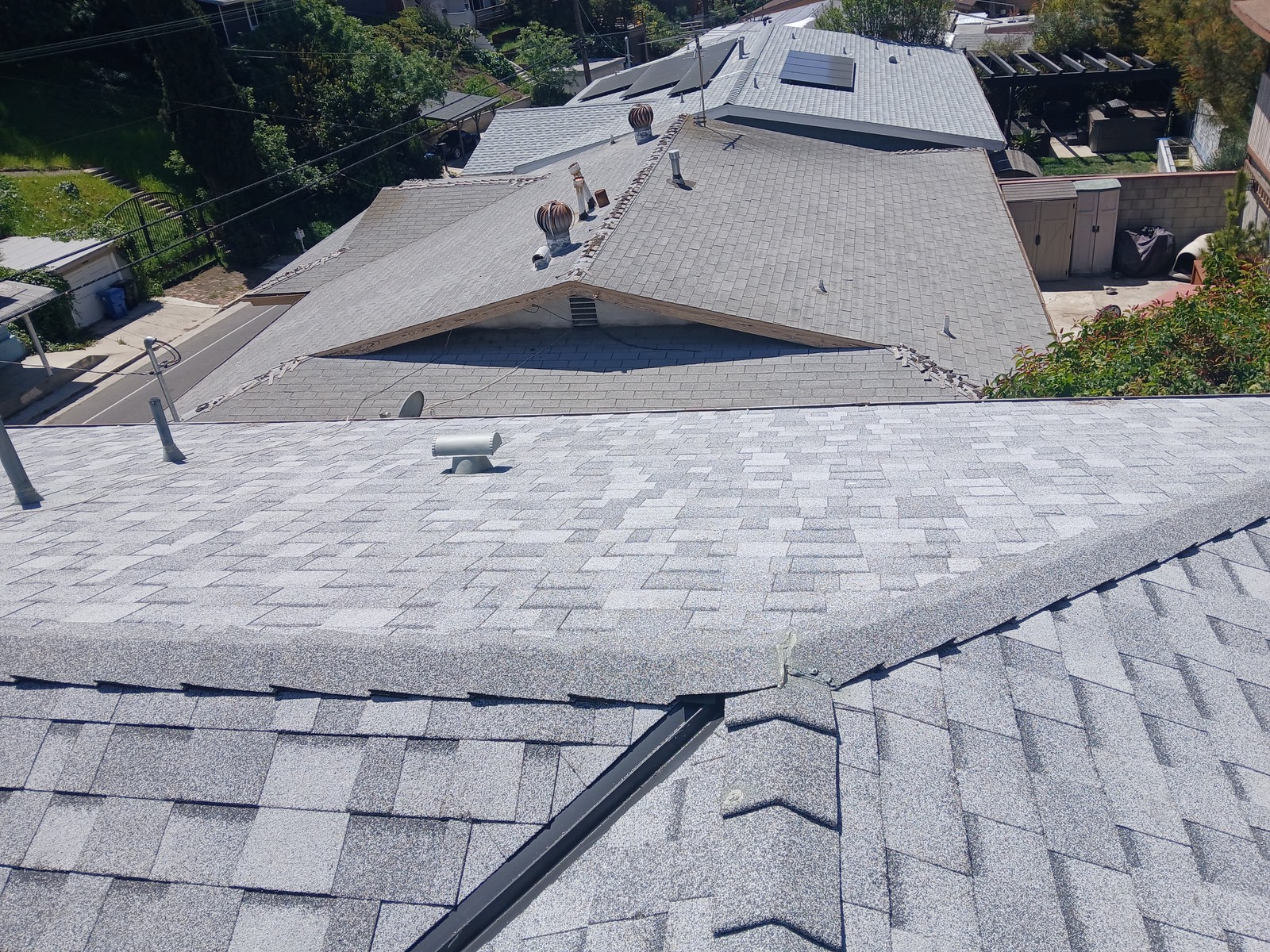
Most shingle problems start small and stay hidden until the first heavy rain. A stain on the ceiling, a lifted tab or grit in the gutter all point the same way. Each one is a reason to look at the roof, not a verdict.
Below we explain how we read shingle damage and where these roofs usually develop leaks. We also cover what changes when a repair becomes a full tear-off. Estimates are free, so call (424) 532-7527 when you want a look in person.
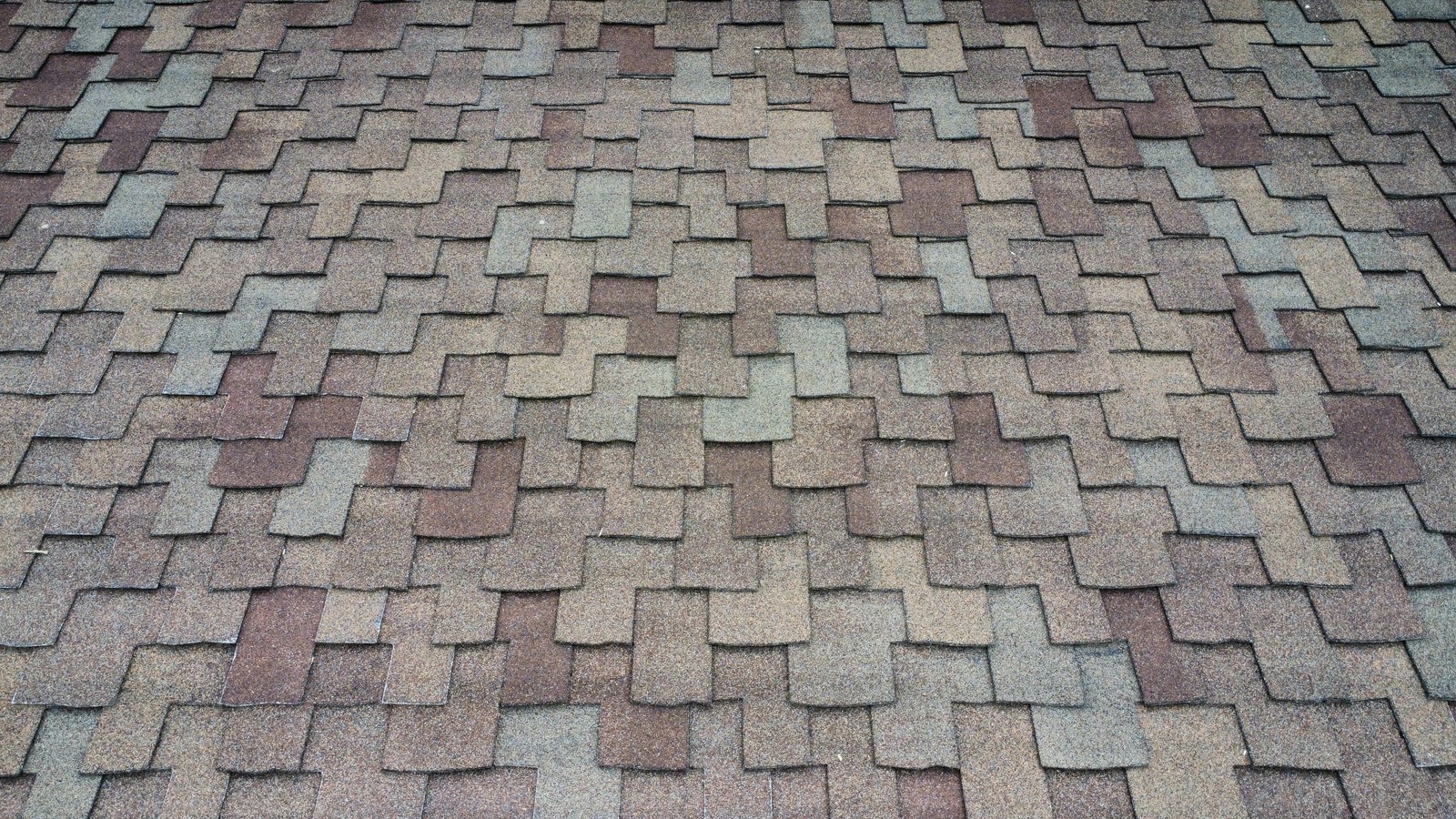
Is an asphalt shingle roof right for your building?
We repair, replace, tear off and reroof asphalt shingle roofs on houses and commercial buildings, including multi-unit property. Before recommending a covering, we look at the slope, the decking and the material already on your roof.
Fire rating is the other early question, and it belongs to the whole roof. Class A assemblies are tested to ASTM E108 or UL 790, and the rating describes the complete assembly. A single product never carries it alone.
Outside mapped fire hazard severity zones, the state minimum for a roof covering is Class C. Beverly Hills is stricter: the City requires Class A fire-rated, non-wood roofs. We check how that applies to your roof before specifying any shingle.
Shingles are one covering among several, and the right answer changes by building. If you are weighing options for a whole house, our residential roofing page covers the wider service. For a single slope or a single leak, the questions below matter more.
What failing shingles look like
Damage rarely announces itself from the ground. From the roof we look at the open field of shingles, then at every edge and transition. What we find is a set of observations, and each one still needs a cause.
Missing, lifted and curling shingles
Wind can lift tabs and leave a shingle out of line or gone entirely. Curled or cupped edges change how water runs across the course below. We note where it happens, since a bare spot beside a valley matters more than one mid-slope.
Granule loss and worn surfaces
Asphalt shingles carry a granule surface, and some of it washes into the gutter over time. Bare patches tell us the surface is thinning there; they do not tell us how long that took. We record them, then check what the flashing and the ceiling below show.
Ridges, hips and trapped debris
Ridge and hip lines take the most exposure and the most foot traffic. A gap in the ridge cap opens the top of the roof to wind-driven water and debris. That is often a same-visit repair once we know the deck below is sound.
Where shingle roofs actually leak
Plenty of leaks sit under shingles that look fine from six feet away. Water finds the joints first: roof-to-wall lines, chimneys, valleys and every pipe that comes through. Flashing is the metal that seals those transitions, and it is a leading leak origin.
Valleys gather runoff from two planes into one path, so they carry more water than the open field. A manufacturer guide on drainage, flashing and leak prevention covers the same set of details. On site we follow the water rather than the stain.
Penetrations add up faster than people expect: vent pipes, turbine and box vents, skylights and antenna mounts. Each one is a hole in the covering with a seal around it. We check them one by one before we price anything.
What sits under the shingles
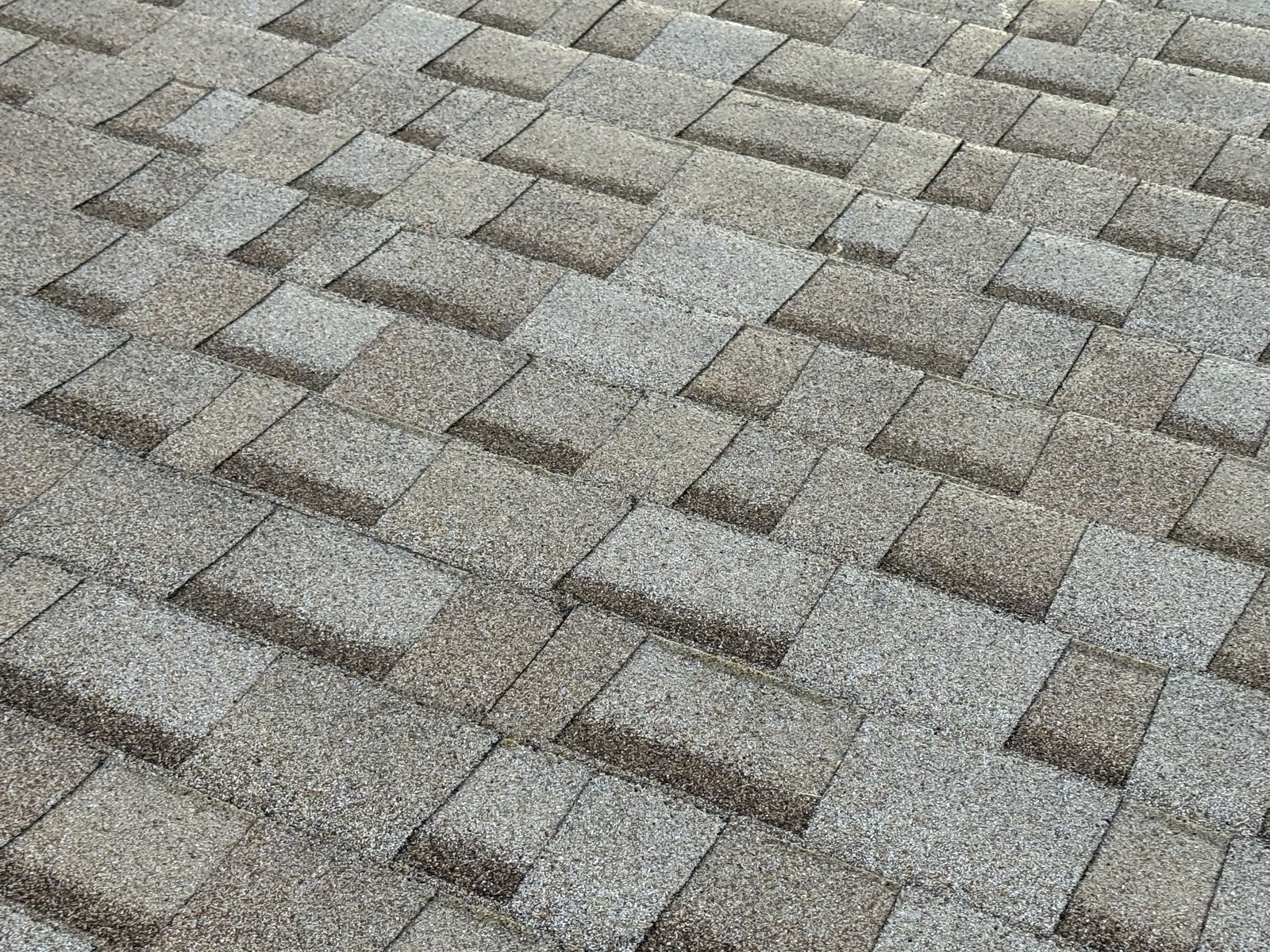
Shingles are the visible layer of a roof system, not the whole system. Beneath them sit the underlayment and the decking that carries everything. When we open a roof, the decking is where surprises show up.
Decking that has gone soft is the usual reason a shingle job grows in cost. We cannot see it through an intact covering, so we raise the risk before we start. Once the shingles come off, we show you what the boards look like.
Vents, turbines and pipe collars all pass through the same covering we are working on. We record what is up there and keep each one sealed and clear as we go. If a vent is damaged, that goes in the estimate.
Older shingle roofs sometimes carry more than one layer of covering. The number of layers changes the tear-off, the disposal and the time on site. We count them at the estimate, because that count drives real cost.
Repair, tear-off or a full reroof
The honest answer depends on how far the damage runs, not on a percentage rule. A single wind-lifted course above sound decking is a repair. Water that has tracked through a valley into the boards usually is not.
We start with what failed and why, then ask how much of the roof shares that condition. Isolated damage over a sound deck points to roof repair, and we will say so. Widespread failure, soaked decking or several old layers point the other way.
A full tear-off strips the covering to the deck so every board can be seen. That is the path when the deck itself needs work, and it is where roof replacement planning begins. It also puts new underlayment, flashing and vent seals in at the same time.
An overlay leaves the old covering in place, while a tear-off strips the roof to the deck. We decide by looking at the layers already there and the condition of the decking. Adding a layer also hides the boards we most want to see.
Permits and paperwork on a shingle project
Some roofing projects need a permit from the city or other authority with jurisdiction. We work through the permit application with you when one applies. Approval, fees and timing stay with the authority reviewing the work.
Product paperwork depends on the project and on what the reviewer asks for. Cool roof compliance under Title 24 rests on ratings from the Cool Roof Rating Council. We gather the material data for the roof we actually propose.
What happens at your free estimate
We start by measuring the roof, often from satellite imagery, then correct that on site. Measuring first means the cost conversation starts from real area instead of a guess. The sales estimate itself is free.
We cannot post a price, because the drivers change with every roof. Roof area, the number of stories, the pitch, existing layers and hidden rot all move the number. A mapped fire zone can move it too.
Roofers price by the square, which is 100 square feet of roof area. Knowing your rough square count makes every quote you receive easier to compare. We give you that number.
A detailed written inspection report is work we charge for, separately from the free estimate. It exists for escrow files and insurer paperwork, not for pricing a repair. If you need that document, say so when you call and we will explain the fee.
Call (424) 532-7527 to book a free estimate on your shingle roof. We work under CSLB #1112525. Beverly Hills Roofing Contractors is a division of Home Vision Remodel.
Common questions about shingle roofs
What does granule loss tell you?
It tells us the shingle surface is wearing in that spot, and nothing more on its own. We compare the bare areas with the flashing, the valleys and any staining inside. The pattern, not the granules alone, points to what needs work.
Can you match my existing shingles?
We compare your existing shingles on site before we commit to a repair. Weathered shingles rarely match a new bundle exactly, so we show you the closest option. If that difference is unacceptable, replacing the full slope is the alternative.
Beverly Hills CA
(424) 532-7527