
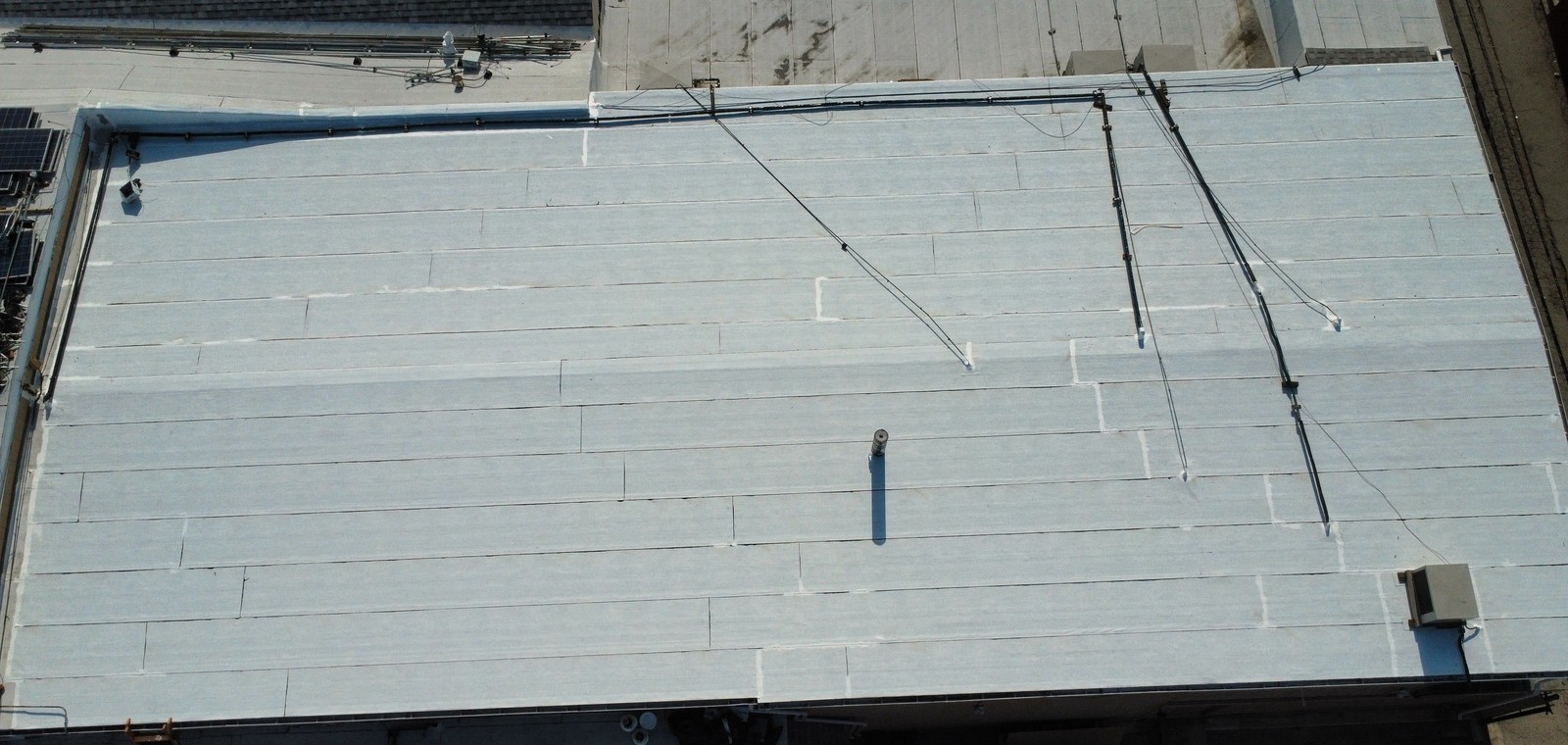
Most homeowners call us because water has shown up somewhere it should not be. Others call because the roof simply looks old, and they want to know how much life is left. Both questions have answers, and neither one starts with a tear-off.
Houses ask different questions than warehouses, and residential roofing in Beverly Hills answers them differently. We read three layers: the covering you can see, the waterproof layer below it, and the deck under both. Which layer has failed decides whether you need a repair, a replacement or a written report.
Start with the symptom, not the roof's age
Roof leaks often start where two surfaces meet. Roof-to-wall joints, chimneys and valleys are the usual starting points. Flashing is the metal that seals those joints, and it is a leading leak origin.
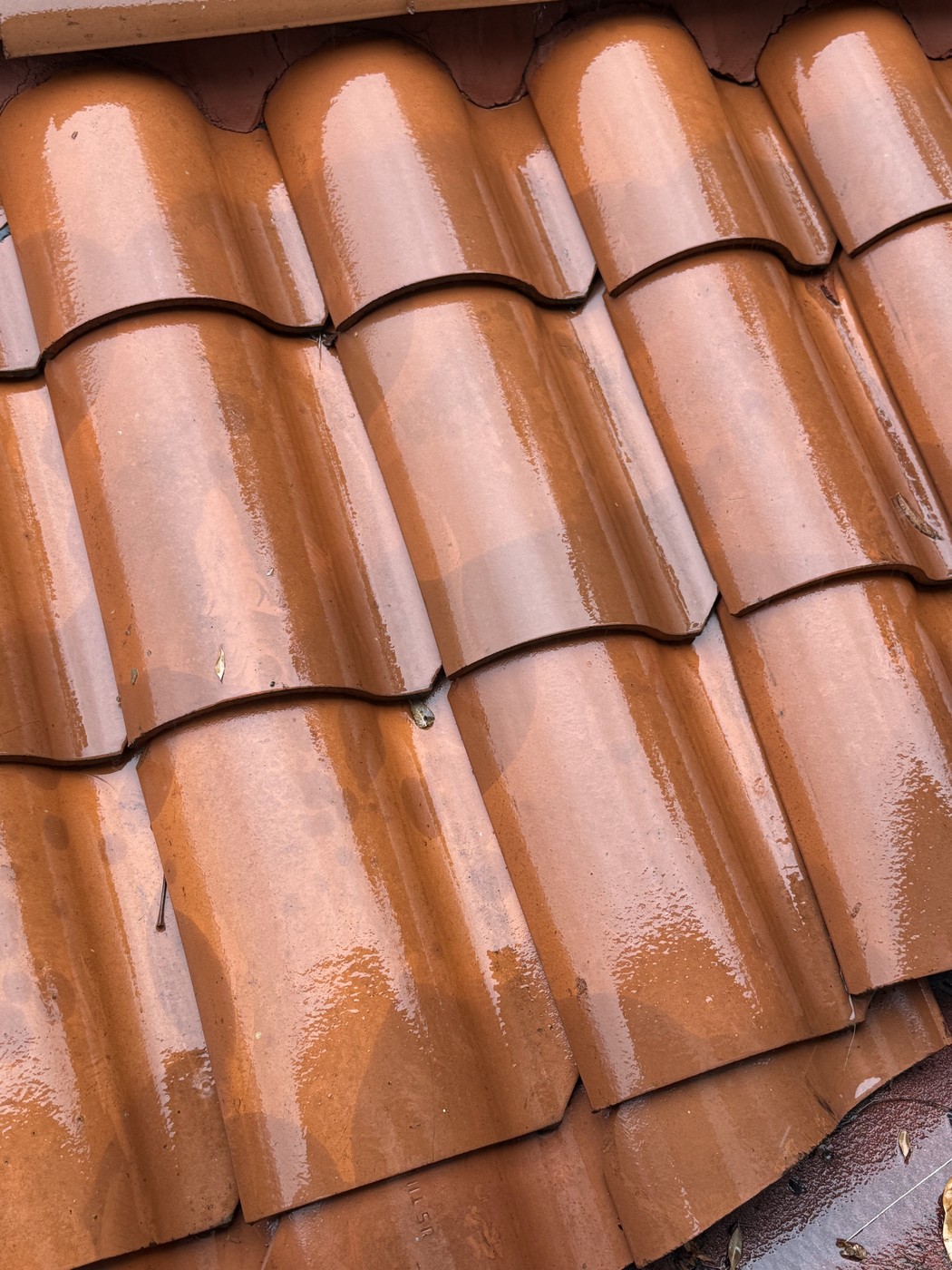
Age shows up differently on a tile roof, where the tile often outlives the layer beneath it by decades. That layer is the underlayment, the waterproof membrane under the tile, and it is what actually fails.
That difference changes the work and the bill. A sound tile roof over failed underlayment gets lifted and relaid, which costs less than replacing it. A covering that is worn out from edge to edge is a different conversation.
Repair, replacement or a written report
Three services cover most of what a house roof needs. They are not interchangeable, and choosing the wrong one costs money.
When a repair is enough
Repair work covers leaks, loose or slipped tile, shingle patches and flashing. Small jobs count too; the practical floor is one modest repair, not a full roof.
If the damage is confined and the covering is otherwise sound, a roof repair is the sensible first move. It also buys time to plan for bigger work later.
When replacement is the better answer
Replacement and reroofing deal with the whole covering, usually starting with a tear-off. Tear-off means stripping the old covering instead of laying new material over it.
Homeowners move to a roof replacement when repairs keep repeating, or when the underlayment has failed across the roof. It is the bigger decision, and it is the one worth measuring on site.
When you need a report, not an estimate
Two situations call for paperwork rather than a quote. A buyer in escrow needs a written record of the roof's condition. An insurer may ask for an inspection before it renews or writes a policy.
A sales estimate is free, but you pay separately for a written roof report and the inspection behind it. Ask us for that fee when you call, since roof size and the number of stories both affect it.
Roof materials on a home
We work on asphalt shingle, tile, metal and low-slope roofs on homes. Each one fails in its own way, so we read each one differently.
Tile
Clay, concrete and slate all sit under tile roofing. The usual job is a lift and relay rather than a brand-new roof. We work section by section, stripping the tile and failed underlayment, then replacing any rotted decking.
Your original tile then goes back down over fresh underlayment. Decking is the structural board under the covering, and rot there is the most common change order.
Asphalt shingle
We patch asphalt shingle roofing or replace it in full, depending on how far the wear has spread. Leaks on shingle roofs often trace back to flashing and drainage rather than the shingles themselves.
A CertainTeed guide to roof drainage and flashing shows where water tends to get in. It is useful reading before you call anyone, including us.
Metal and low-slope areas
Some houses carry metal panels, or a flat low-slope section over a garage or addition. On a standing seam roof, raised seams lock the panels together and hide the fasteners. Flat sections usually take torch-down, a modified-bitumen system applied with heat.
What changes the price
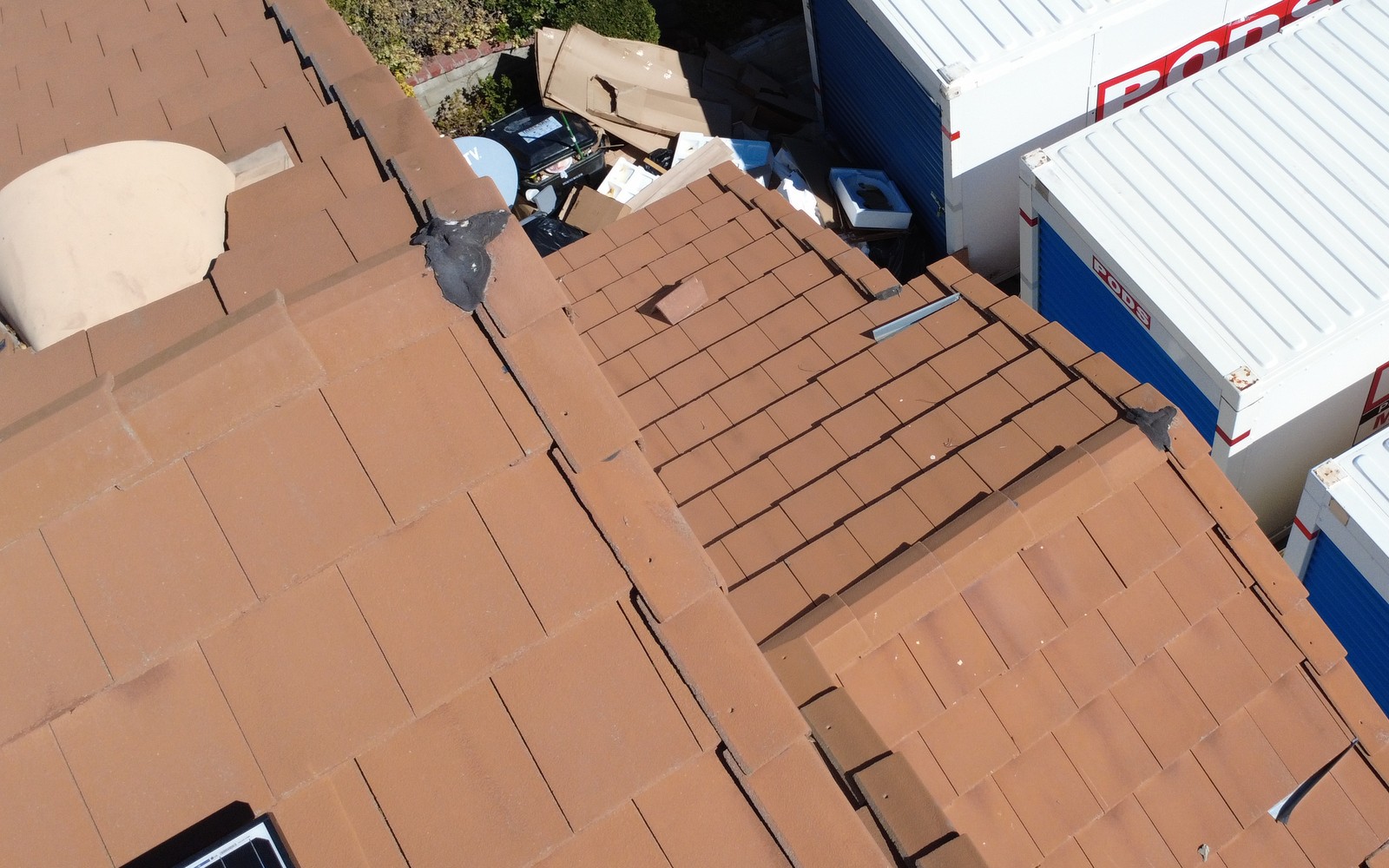
Cost is the first thing most people ask about, and the honest answer is a list of drivers. Size comes first, measured in squares. One square equals a hundred square feet, and the trade prices roofs by that unit.
After size come the number of stories, the pitch, and how many layers already sit on the deck. Then the unknowns: rot under the covering, and whether tile has to come off and go back on.
That is why a quote over the phone is a starting point, not a final price. We can measure a roof from satellite imagery, often while you are still on the call. We still adjust on site once we can see the roof close up.
What happens when we come out
Calls usually start with the property address, because that is what lets us look at your roof. Then we ask what you are seeing, and how long it has been going on.
The estimate itself is free, whether it ends in a small repair or a full replacement. It prices the work we propose, not the written report an escrow file or an insurer asks for.
If your project needs a roofing permit, we help you pull it from the authority with jurisdiction. That authority decides whether a permit is required and whether it is approved.
Roof work around a house you live in
Most of the work happens above you and around the outside of the house. A tear-off is the loud part, because the old covering has to come off first.
Tile work also needs staging space; we stack the removed tile on your property while the work runs. It goes back up at the end, so you keep the roof you already have.
The surprise worth expecting is rot in the decking under the covering. Nobody can see it until the roof is open, and it is the usual reason a price moves. Ask any roofer how that is handled before work starts.
We work under CSLB #1112525 on houses and on commercial buildings. Beverly Hills Roofing Contractors is a division of Home Vision Remodel.
Call with the property address and what you are seeing on the roof. The estimate is free, and asking for one does not commit you to the work.
Questions homeowners ask us
Is the roofing estimate really free?
Yes, a sales estimate for a repair or a replacement costs nothing, and it does not commit you. A detailed inspection and its written report do carry a fee.
What is the difference between an estimate and a written roof report?
An estimate prices the work we propose to do. A written report documents the roof's condition for an escrow file or an insurer's requirement. You pay for that report, and its price depends on roof size and story count.
Can a tile roof be saved instead of replaced?
Often, yes. If the tile is sound but the underlayment has failed, we lift the tile and replace that layer. The same tile goes back on, which costs less than a full replacement.
Do you help with the roofing permit?
Yes, we help you get the required roofing permit from the office that issues it. Approval and timing are that office's call, not ours.
Beverly Hills CA
(424) 532-7527